
How to Maintain and Service Catering Tools Properly

Proper equipment maintenance is crucial for anyone working with catering tools. Well-maintained equipment not only ensures safety and hygiene but also extends the lifespan of your tools, saving you money and downtime. Whether you run a small catering business or manage a large kitchen, understanding how to care for your catering equipment is essential.
Why Equipment Maintenance Matters in Catering
Maintaining catering tools is more than just cleaning. It involves regular inspections, timely repairs, and following manufacturer guidelines. Poorly maintained equipment can lead to:
Food contamination risks
Equipment breakdowns during busy service times
Increased repair and replacement costs
Safety hazards for staff
For example, a neglected oven may not heat evenly, affecting food quality and causing delays. Similarly, dull knives can slow down prep work and increase the risk of injury.
Regular maintenance helps avoid these issues by keeping your tools in top condition. It also ensures compliance with health and safety regulations, which is critical in the food service industry.

Commercial kitchen oven maintained for optimal performance
Key Steps for Effective Equipment Maintenance
To keep your catering tools functioning well, follow these practical steps:
1. Clean Thoroughly After Each Use
Cleaning is the first and most important step. Use appropriate cleaning agents for different tools:
Stainless steel surfaces: Use mild detergent and warm water.
Knives and cutting boards: Sanitize with food-safe disinfectants.
Electrical appliances: Unplug before cleaning and avoid water contact with electrical parts.
Make sure to remove food residues, grease, and dirt to prevent bacterial growth and corrosion.
2. Inspect Regularly for Wear and Damage
Set a schedule to check your equipment for signs of wear such as:
Cracks or chips
Loose handles or screws
Frayed electrical cords
Rust or corrosion spots
Early detection allows you to fix minor issues before they become major problems.
3. Lubricate Moving Parts
Some tools like slicers, mixers, and grinders have moving parts that require lubrication. Use food-grade lubricants recommended by the manufacturer to keep these parts running smoothly.
4. Calibrate Equipment
Ovens, refrigerators, and thermometers need regular calibration to ensure accurate temperature control. Incorrect temperatures can spoil food or cause safety issues.
5. Store Equipment Properly
Store tools in a clean, dry place to avoid damage. Use protective covers for delicate items and keep sharp tools in designated holders.
Common Maintenance Tips for Popular Catering Tools
Different tools require specific care. Here are some examples:
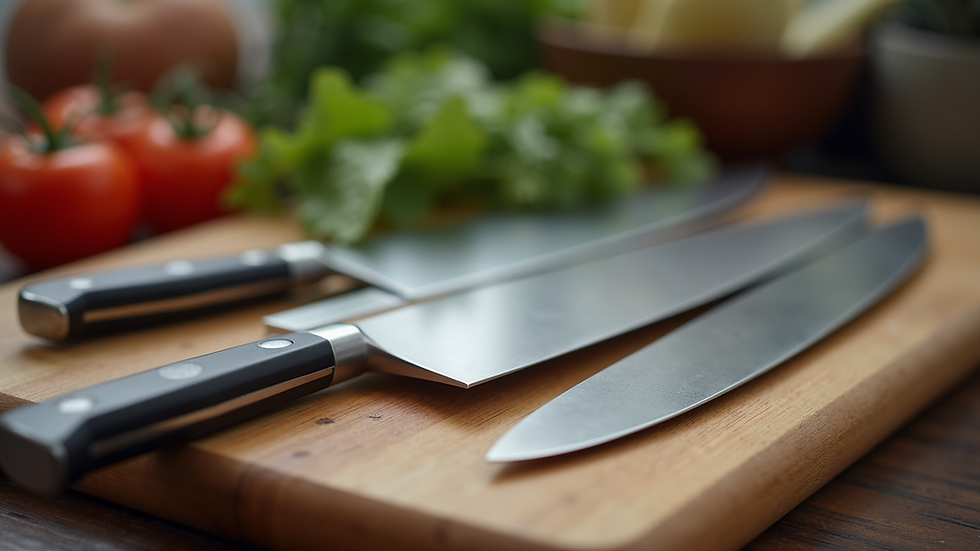
Knives and Cutting Boards
Sharpen knives regularly using a whetstone or professional service.
Replace cutting boards that have deep grooves to prevent bacteria buildup.
Use separate boards for raw and cooked foods to avoid cross-contamination.
Ovens and Stoves
Clean spills immediately to prevent burnt-on residue.
Check door seals and hinges for tightness.
Schedule professional servicing annually to inspect gas lines and electrical components.
Refrigeration Units
Clean condenser coils every 3-6 months.
Check door seals for leaks.
Monitor temperature settings daily.
Mixers and Food Processors
Disassemble and clean all removable parts after use.
Lubricate gears and moving parts as per the manual.
Inspect power cords and switches regularly.

Cleaning and maintaining a commercial kitchen mixer
When to Seek Professional Catering Equipment Services
While routine maintenance can be done in-house, some tasks require expert attention. For example:
Complex electrical repairs
Gas appliance servicing
Calibration of specialized equipment
Deep cleaning of ventilation systems
Hiring professional catering equipment services ensures that your tools are serviced safely and according to industry standards. Professionals can also provide maintenance contracts to keep your equipment in peak condition year-round.
Tips for Creating a Maintenance Schedule
A well-planned maintenance schedule helps keep track of tasks and deadlines. Here’s how to create one:
List all equipment and tools.
Note manufacturer’s maintenance recommendations.
Assign daily, weekly, monthly, and annual tasks.
Train staff on proper cleaning and inspection procedures.
Keep records of maintenance activities and repairs.
Using a digital calendar or maintenance software can simplify this process and send reminders.
Final Thoughts on Equipment Maintenance
Proper maintenance of catering tools is a smart investment. It improves efficiency, safety, and food quality while reducing unexpected costs. By following these guidelines and knowing when to call in professionals, you can ensure your catering equipment remains reliable and ready for any event.
Regular care and attention to your tools will help your catering operations run smoothly and successfully for years to come.


Comments