
Understanding the Types of Food Preparation Tools and Equipment

When running a busy kitchen, having the right tools and equipment is essential. Whether you manage a restaurant, café, hotel, or catering service, understanding the types of food preparation tools available can make a huge difference in efficiency and food quality. In this post, I’ll walk you through the key categories of equipment, explain their uses, and share practical tips to help you choose the best options for your kitchen.
Exploring the Different Types of Food Preparation Tools
Food preparation tools come in many shapes and sizes, each designed to make specific tasks easier and faster. From small handheld gadgets to large machines, these tools help streamline the cooking process and maintain consistency.
Here are some common types of food preparation tools you’ll find in professional kitchens:
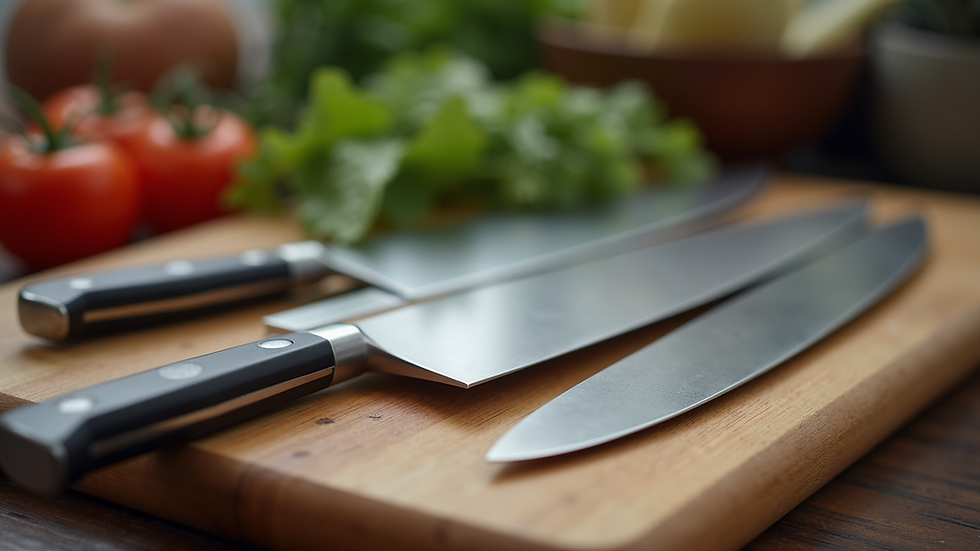
Cutting Tools: Knives, peelers, mandolins, and slicers. These are essential for chopping, slicing, and dicing ingredients quickly and safely.
Mixing Tools: Bowls, whisks, spatulas, and electric mixers. They help combine ingredients smoothly and evenly.
Measuring Tools: Scales, measuring cups, and spoons. Accuracy is key in cooking and baking, so these tools ensure the right proportions.
Blending and Processing Tools: Food processors, blenders, and immersion blenders. These machines handle everything from pureeing soups to chopping vegetables.
Cooking Tools: Pots, pans, baking trays, and steamers. These are the backbone of any kitchen, used for cooking, baking, and steaming food.
Each tool has its place, and knowing when and how to use them can save time and improve the quality of your dishes.
What are 10 Essential Large Equipment Used in a Kitchen?
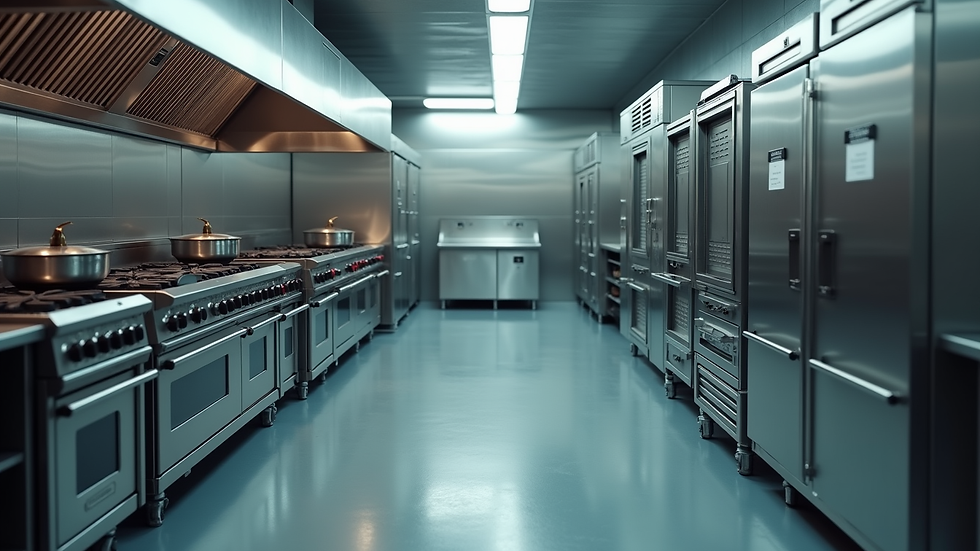
Large kitchen equipment forms the backbone of any commercial kitchen. These machines handle high volumes and heavy-duty tasks that smaller tools simply can’t manage. Here are ten essential pieces of large equipment you should consider:
Commercial Ovens - From convection ovens to deck ovens, these are vital for baking, roasting, and cooking large batches.
Ranges and Cooktops - Gas or electric, these provide the heat source for frying, boiling, and sautéing.
Refrigeration Units - Walk-in coolers, reach-in refrigerators, and freezers keep ingredients fresh and safe.
Dishwashers - High-capacity machines that clean dishes quickly and hygienically.
Food Processors - Large-capacity processors that chop, slice, and mix ingredients efficiently.
Mixers - Planetary or spiral mixers for dough, batter, and other mixtures.
Grills and Griddles - For grilling meats, vegetables, and sandwiches.
Steamers - Used for healthy cooking of vegetables, seafood, and rice.
Fryers - Deep fryers for crispy fried foods.
10. Slicers - Commercial slicers for meats, cheeses, and vegetables.
Investing in the right large equipment can boost productivity and ensure consistent food quality. It’s also important to consider energy efficiency and ease of cleaning when selecting these machines.
How to Choose the Right Food Preparation Equipment for Your Kitchen
Choosing the right equipment depends on several factors. Here’s a simple guide to help you make informed decisions:
Assess Your Menu: What types of dishes do you prepare most often? Equipment should match your cooking style and volume.
Consider Kitchen Space: Measure your kitchen carefully. Large equipment needs room for installation and operation.
Think About Capacity: Choose machines that can handle your busiest times without slowing down.
Energy Efficiency: Look for energy-saving models to reduce operating costs.
Ease of Cleaning and Maintenance: Equipment that’s easy to clean saves time and helps maintain hygiene standards.
Budget: Balance quality with cost. Sometimes investing a bit more upfront saves money in the long run.
By carefully evaluating these factors, you can select tools and machines that fit your needs perfectly.
Maintaining and Caring for Your Food Preparation Tools
Proper maintenance extends the life of your equipment and keeps your kitchen running smoothly. Here are some tips:
Regular Cleaning: Clean tools and machines after every use to prevent buildup and contamination.
Scheduled Servicing: Arrange for professional servicing of large equipment to catch issues early.
Proper Storage: Store knives and delicate tools safely to avoid damage.
Training Staff: Ensure everyone knows how to use and care for equipment correctly.
Check for Wear and Tear: Replace worn-out parts promptly to avoid breakdowns.
A well-maintained kitchen is a productive kitchen. Taking care of your equipment protects your investment and supports food safety.
Why Investing in Quality Commercial Food Preparation Equipment Matters
When you invest in quality commercial food preparation equipment, you’re not just buying tools - you’re investing in your business’s success. Reliable equipment improves efficiency, reduces downtime, and helps maintain consistent food quality. It also supports compliance with health and safety regulations, which is crucial in the foodservice industry.
Choosing trusted suppliers and brands ensures you get durable, high-performance machines backed by good customer support. This partnership can make a big difference in how smoothly your kitchen operates day to day.
By focusing on quality and suitability, you set your kitchen up for long-term success.
Making Your Kitchen Work Smarter, Not Harder
Understanding the types of food preparation tools and equipment is the first step toward creating a more efficient kitchen. With the right mix of small tools and large machines, you can speed up prep times, improve food consistency, and reduce stress during busy service hours.
Remember to evaluate your kitchen’s specific needs, invest wisely, and maintain your equipment well. This approach will help you deliver great food and service every time.
If you’re looking for expert advice or reliable equipment suppliers, consider reaching out to trusted partners who understand the demands of hospitality businesses across Ireland. They can provide tailored solutions and ongoing support to keep your kitchen running at its best.
I hope this guide helps you navigate the world of food preparation tools and equipment with confidence. Here’s to a well-equipped kitchen and delicious meals ahead!


Comments